


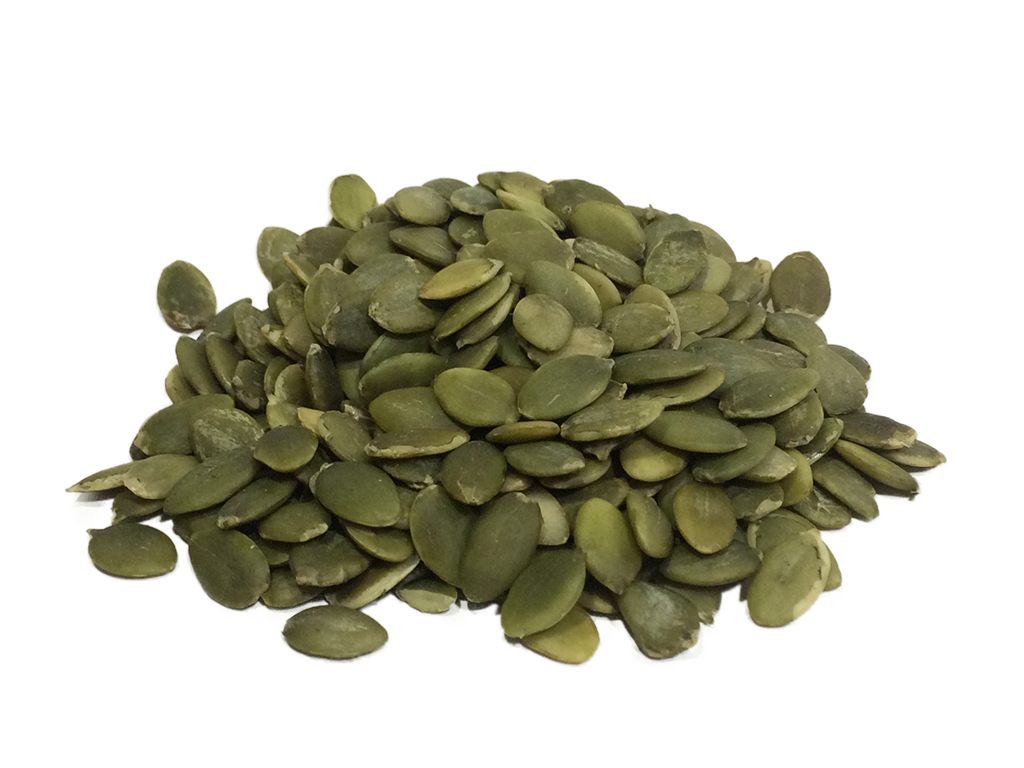


Nutmeat Pumpkin seed
€12,90
Large pumpkin seeds, ready and raw. Use them in combination with raisins, almonds, goji berries and walnuts in your breakfast. Rich in omega-3 and omega-6 fatty acids which help to gently lower blood pressure.
SKU: 00222
Availability:
Available
Add to cart
Description
Its name is idiomatic from the Italian words passo + tempo (= passage of time), meaning "I spend my time". Due to its very low price, it was the most popular small meal of the largest percentage of low-income people during school hours [1], such as public evening parties in summer cinemas, and even in the first years of television viewing in Greece.( Wikipedia.org)
They contain vitamins K-E-C, folic acid and vitamin A.
They have a soothing effect on prostate problems and help regenerate skin cells.
Its daily consumption reduces the risk of osteoporosis in postmenopausal women. .
Source of zinc, copper, selenium, iron, manganese and of course magnesium, which helps to relax the nervous system and muscles.